Bandara Tersibuk di Dunia: Mega Hub yang Menghubungkan Dunia
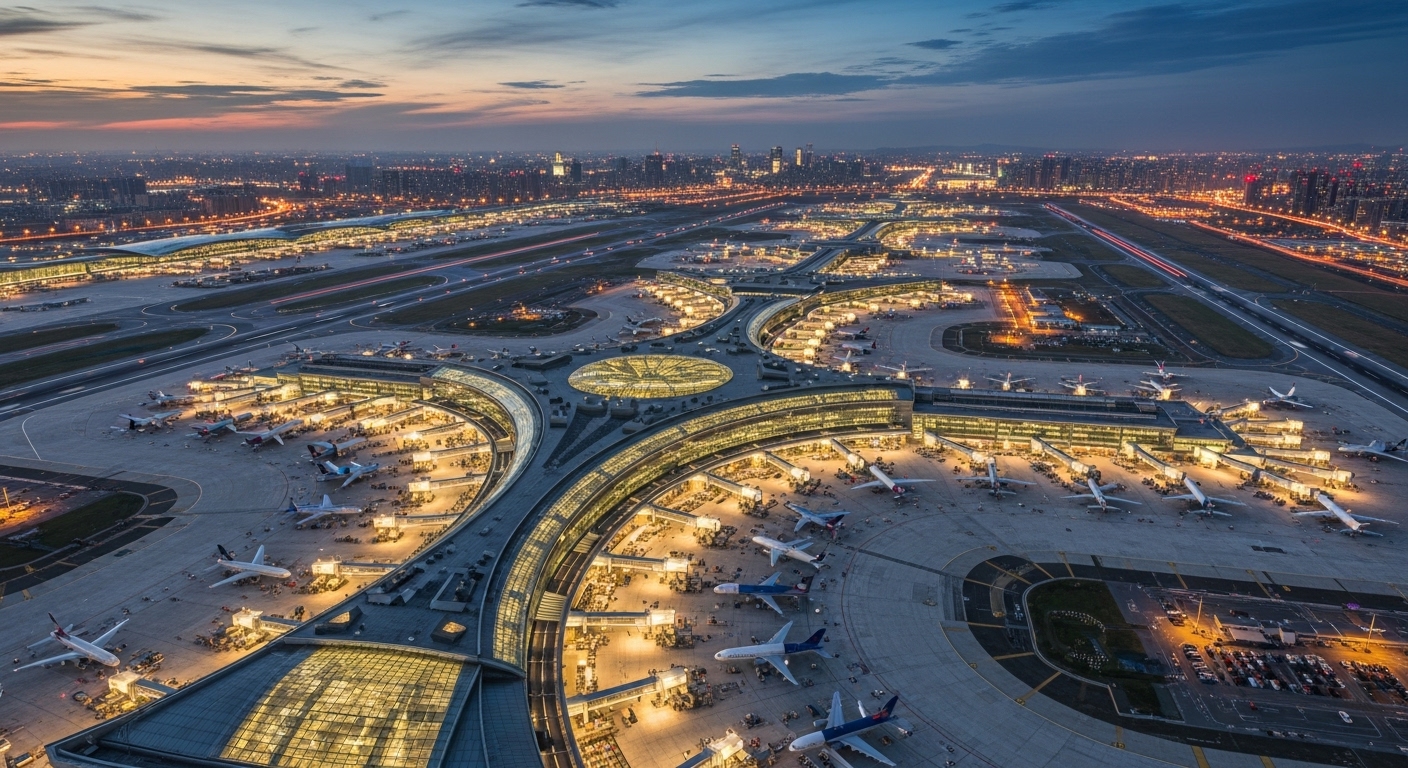
Bandara dapat diukur dari berbagai metrik:
- Passenger traffic - Jumlah penumpang tahunan
- Aircraft movements - Take-off dan landing
- Cargo volume - Ton freight yang diproses
- International passengers - Konektivitas global
Mari kita eksplorasi champions dari setiap kategori.
Tersibuk by Passenger Traffic
Hartsfield-Jackson Atlanta International (ATL)
Stats Mengesankan:
- Passengers: 110+ juta/tahun (pre-pandemic)
- Aircraft movements: 900.000+/tahun
- Ranking: #1 dunia sejak 1998
- Location: Atlanta, Georgia, USA
Mengapa Atlanta?
Geographic Advantage:
- Lokasi ideal di Southeastern US
- 80% populasi US dalam 2-hour flight
- Weather reliable (jarang kabut/salju)
- Hub geografis sempurna
Delta Hub Dominance:
- Delta base kuat dengan 1.000+ daily flights
- Hub untuk 150+ destinations
- Transfer traffic massive
- Market share 75%+
Infrastructure:
- 5 runways paralel (efisiensi tinggi)
- 2 terminal (Domestic & International)
- 192 gates
- Underground train system (Plane Train)
- Automated people mover
Operations:
- Peak operations: 100+ movements/hour
- Average turnaround: 30-45 menit
- On-time performance strong
- Baggage handling advanced (RFID)
Economic Impact:
- $70+ billion ekonomi lokal
- 63.000+ jobs directly
- 300.000+ jobs regional impact
- Crucial untuk Fortune 500 companies di Atlanta
Beijing Capital International (PEK)
Overview:
- Passengers: 100+ juta (2019)
- Base untuk Air China
- Gateway ke China
Terminal 3:
- Designed by Norman Foster
- Largest building by area (986.000 m²)
- Iconic dragon roof design
- 50+ million capacity
Challenges:
- Congestion extreme
- Slot constraints
- Air traffic control complexity
- New airport (Daxing) untuk relief
Dubai International (DXB)
Stats:
- Passengers: 89 juta (2018 - tertinggi international)
- Emirates home base
- 24/7 operations
Strategic Position:
- Geographical sweet spot (East meets West)
- 8-hour flight ke 2/3 world population
- Tax-free shopping mecca
- Premium experience focus
Facilities:
- Terminal 3 untuk Emirates exclusively
- Concourse A untuk A380 (25 gates)
- Luxury lounges
- Hotel dalam airport (transit convenience)
Future:
- Al Maktoum (DWC) expansion
- Eventually larger than DXB
- Dubai World Central masterplan
Los Angeles International (LAX)
Overview:
- Passengers: 88 juta
- Gateway ke Pacific
- 9 terminals iconic horseshoe layout
Modernization:
- $14 billion renovation ongoing
- Automated People Mover (opening soon)
- Consolidated rental car facility
- Terminal upgrades
Challenges:
- Traffic congestion notorious
- Outdated infrastructure (improving)
- No rail connection (yet)
- Terminal connectivity poor
Tersibuk by International Traffic
Dubai International (DXB) - #1
Sudah dijelaskan di atas - 89 juta passengers, hampir semua international.
London Heathrow (LHR) - #2 Europe
Stats:
- Passengers: 80 juta
- International: 99% (almost no domestic)
- Aircraft movements: 475.000
- Cargo: 1.8 juta ton
Strategic Importance:
- Gateway ke UK dan Europe
- Business travel hub
- Premium market focus
Infrastructure:
- 4 terminals (T2, T3, T4, T5)
- 2 runways (slot constrained)
- T5 British Airways hub (architectural marvel)
- Underground dan train connections excellent
Challenges:
- Capacity constrained (no expansion possible)
- Slot values highest di dunia
- Night flight restrictions
- Environmental opposition untuk expansion
Future:
- Third runway debate decades long
- Political football
- Economic necessity vs environmental concerns
Hong Kong International (HKG) - Asian Gateway
Stats:
- Passengers: 74 juta
- Cargo: #1 dunia (5+ juta ton)
- Location: Chek Lap Kok island
Features:
- Built on reclaimed land
- Architectural icon (Norman Foster)
- Train connection to city (24 menit)
- Shopping extensive
Hub untuk:
- Cathay Pacific
- Hong Kong Airlines
- Cargo carriers numerous
Third Runway:
- Mega project (completed 2022)
- Capacity increase 50%
- Three-runway system
- Investment $18 billion
Tersibuk by Cargo
Hong Kong International (HKG) - #1
Stats:
- Cargo: 5+ juta ton/tahun
- 24/7 operations
- Strategic location Asia hub
Advantages:
- Free port status
- Efficient customs
- Excellent connectivity Asia
- Infrastructure world-class
Memphis International (MEM) - FedEx Superhub
Stats:
- Cargo: 4.6 juta ton
- Passengers: hanya 4 juta (imbalance extreme)
- FedEx global hub
Operations:
- Sort facility terbesar dunia
- 150+ aircraft movements nightly
- Peak hours: midnight-4am
- 5 juta packages/day capacity
Why Memphis:
- Central US location
- Weather reliable
- No curfew
- Dedicated FedEx infrastructure
Process:
- Inbound flights arrive 11pm-1am
- Sort dalam 3-4 jam
- Outbound flights 2am-4am
- Next-day delivery nationwide
Shanghai Pudong (PVG) - Rising Star
Stats:
- Cargo: 4 juta ton
- Passengers: 76 juta
- Growth fastest
Advantages:
- China manufacturing hub
- Export powerhouse
- E-commerce boom
- Government support
Expansion:
- New satellite terminal
- Additional cargo facilities
- High-speed rail connection
Tersibuk by Aircraft Movements
Chicago O’Hare (ORD)
Stats:
- Movements: 900.000+/tahun
- Passengers: 84 juta
- Take-off/landing setiap 40 detik (peak)
Why So Many Movements:
- United dan American hubs
- Multiple daily frequencies
- Large domestic market
- Regional jet operations extensive
Infrastructure:
- 8 runways (most di US)
- 4 terminals
- Future: O’Hare 21 expansion ($8.5 billion)
Challenges:
- Weather delays (winter storms)
- Congestion
- Aging infrastructure (renovating)
Atlanta (ATL) - Close Second
Already covered, movements hampir sama dengan O’Hare.
Bandara dengan Inovasi Terdepan
Singapore Changi (SIN) - Innovation Champion
Awards:
- World’s Best Airport (Skytrax) 12x winner
- Consistently top-ranked
- Gold standard industry
Passenger Experience:
Terminal Features:
- Free movie theaters
- Sleeping zones
- Butterfly garden
- Koi pond
- Orchid garden
- Art installations
Jewel Changi:
- Opened 2019
- 40-meter indoor waterfall (tallest in world)
- Forest Valley dengan 2.000+ trees
- Shopping dan dining 280+ outlets
- Hotel (YOTELAIR)
- Attractions (Sky Nets, Hedge Maze)
Technology:
- Automated check-in/bag drop
- Facial recognition immigration
- Fast and Seamless Travel (FAST)
- Contactless experience
Connectivity:
- 100+ airlines
- 400+ cities
- Transfer efficiency under 1 hour possible
Incheon International (ICN) - Tech Paradise
Stats:
- Passengers: 71 juta
- Consistently top 5 ranked
- Korean Air dan Asiana hub
Innovation:
Technology:
- Robot assistants
- Automated parking
- Baggage tracking advanced
- Virtual golf courses
- Culture museum
- Medical center
- Spa facilities
Transit Experience:
- Free city tours untuk transiting passengers
- Sleep pods
- Shower facilities
- Casino
- Ice skating rink (winter)
Efficiency:
- Transfer seamless
- Immigration fast (automated gates)
- Security advanced
- Cleanliness impeccable
Tokyo Haneda (HND) - Domestic Giant
Stats:
- Passengers: 87 juta (mostly domestic)
- Movements: 450.000+
- Slot value tinggi
Advantages:
- City location (30 menit ke Tokyo)
- Narita untuk international (shifting)
- Punctuality legendary (Japanese precision)
- Cleanliness exceptional
Culture:
- Edo-style shopping street
- Cultural exhibitions
- Observation decks popular
- Planespotting paradise
Mega Hubs Strategy
Hub-and-Spoke Model
Konsep:
- Central hub dengan banyak spokes (destinations)
- Passengers transit di hub
- Airline dapat serve lebih banyak city pairs
- Efficiency dari consolidation
Examples:
- Atlanta untuk Delta
- Dubai untuk Emirates
- Frankfurt untuk Lufthansa
- Singapore untuk SIA
Advantages:
- Network coverage luas
- Frequency tinggi pada spoke routes
- Aircraft utilization optimal
- Economies of scale
Disadvantages:
- Passenger inconvenience (transfers)
- Congestion di hub
- Delay risks compounding
- Longer journey times
Point-to-Point Model
Konsep:
- Direct flights tanpa transfer
- LCC model typical
- Focus pada high-demand routes
Examples:
- Southwest Airlines
- Ryanair
- JetBlue
Advantages:
- Faster travel time
- Customer preference
- Operational simplicity
- Less delay propagation
Disadvantages:
- Limited network coverage
- Lower frequency
- Smaller aircraft typically
- Seasonal capacity adjustment difficult
Infrastructure Challenges
Capacity Constraints
Runway Capacity:
- Physical limit pada movements/hour
- Weather impact significant
- Separation requirements
- Technology untuk optimization (RNAV, RNP)
Terminal Capacity:
- Check-in counter bottlenecks
- Security screening delays
- Gate availability
- Baggage system capacity
Airspace Congestion:
- ATC workload
- Holding patterns during peak
- Approach/departure conflicts
- Weather rerouting complexity
Expansion Difficulties
Land Acquisition:
- Urban airport surrounded
- Expensive real estate
- Community opposition
- Environmental concerns
Funding:
- Multi-billion dollar investments
- Public-private partnerships
- User fees (PFC - Passenger Facility Charge)
- Government support necessary
Example Projects:
- Heathrow third runway: decades debate
- LAX modernization: $14 billion
- Beijing Daxing: $11 billion (completed 2019)
- Istanbul New Airport: $12 billion (world’s largest)
Future Mega Airports
Istanbul Airport (IST) - Future Giant
Vision:
- Capacity: 200 juta passengers (ultimate)
- Phase 1: 90 juta (operational 2019)
- Replace Ataturk Airport
- Turkish Airlines hub
Strategic Position:
- Europe-Asia crossroads
- 6th freedom traffic potential
- Growing Turkish tourism
- Business hub emerging
Features:
- World’s largest terminal building under one roof
- 143 gates
- 6 runways (planned)
- Train connection to city
Beijing Daxing (PKX) - Starfish Design
Overview:
- Opened 2019
- Design by Zaha Hadid
- Capacity: 72 juta (Phase 1), 100+ ultimate
- Relieve Beijing Capital congestion
Design:
- Iconic starfish shape
- Compact design (walking distance minimal)
- Natural light extensive
- 5 piers dari central core
Technology:
- Baggage handling advanced
- Facial recognition throughout
- Green building standards
- Geothermal heating/cooling
Connectivity:
- High-speed rail connection
- Metro lines
- 50 minutes dari city center
Changi Terminal 5 - Next Generation
Plans:
- Capacity additional 50 juta
- Total Changi: 135 juta
- Opening: 2030s
- Design: still being finalized
Innovation Focus:
- Full automation possible
- Contactless journey
- Sustainability paramount
- Passenger experience revolutionary
Environmental Considerations
Noise Pollution
Challenges:
- Community complaints
- Night flight restrictions
- Property values impact
- Legal battles
Solutions:
- Noise abatement procedures
- Aircraft technology (quieter engines)
- Operational restrictions
- Soundproofing programs
Carbon Footprint
Airport Operations:
- Ground vehicles
- Heating/cooling
- Lighting
- Waste management
Initiatives:
- Carbon neutral goals (many airports 2030-2050)
- Renewable energy (solar farms)
- Electric ground support equipment
- Energy efficiency upgrades
Wildlife Management
Bird Strike Risks:
- Serious safety concern
- Costly wildlife control programs
- Habitat modification
- Radar detection systems
Economic Impact
Job Creation
Direct employment massive:
- Airline staff
- Ground handling
- Retail dan F&B
- Security
- Customs/immigration
- Maintenance
Indirect jobs multiplier:
- Hotels
- Transportation
- Tourism
- Suppliers
- Construction
Regional Development
Airport sebagai catalyst:
- Business relocation
- Tourism growth
- Foreign investment
- Real estate development
- Infrastructure improvement
Examples:
- Dubai transformation melalui aviation
- Singapore economic model
- Hong Kong prosperity
- Seoul expansion
Technology Trends
Biometric Processing
Current:
- Facial recognition boarding
- Automated immigration gates
- Touchless check-in
- Baggage drop automation
Future:
- Gate-to-gate biometric journey
- No boarding pass necessary
- Security seamless
- Privacy balanced
Artificial Intelligence
Applications:
- Predictive maintenance
- Crowd management
- Queue optimization
- Customer service chatbots
- Baggage tracking
- Security screening
Sustainability Tech
Innovations:
- Electric taxiways (aircraft towing)
- SAF (Sustainable Aviation Fuel) storage
- Solar power generation
- Rainwater harvesting
- Waste-to-energy
- Green building materials
Post-Pandemic Changes
Health Measures
Permanent Changes:
- Enhanced cleaning protocols
- Touchless technology acceleration
- Social distancing considerations
- Health screening infrastructure
- Ventilation upgrades
Passenger Behavior
Shifts:
- Domestic travel recovery faster
- Leisure over business emphasis
- Digital preference
- Contactless expectations
- Health consciousness
Operational Adjustments
Adaptations:
- Flexible capacity planning
- Staff optimization
- Cost reduction imperative
- Digital transformation acceleration
- Partnership models new
Best Practices untuk Travelers
Efficient Transit
Tips:
- Use airline apps untuk real-time info
- Pre-clear immigration (Global Entry, etc.)
- Pack smart (carry-on only)
- Know terminal layout
- Allow buffer time
Airport Amenities
Maximize Experience:
- Lounge access (credit cards, day passes)
- Dining options research
- Shopping duty-free savings
- Sleep pods untuk red-eyes
- Shower facilities
Connection Optimization
Strategies:
- Minimum connection times aware
- Same terminal prefer
- Allow buffer untuk delays
- Travel light
- Know backup options
Bandara tersibuk di dunia adalah marvel engineering dan operational excellence. Dari Atlanta dengan efisiensi luar biasa, Dubai dengan luxury positioning, hingga Changi dengan innovation leadership, setiap hub memiliki unique value proposition.
Future bandara akan lebih smart, sustainable, dan passenger-centric. Technology seperti biometrics, AI, dan automation akan transform experience. Sustainability bukan optional tapi imperative.
Mega airports bukan hanya transportation nodes, tapi economic engines, cultural gateways, dan architectural landmarks. Mereka connect dunia, facilitate commerce, dan enable dreams of travel dan exploration.
Next time Anda transit di salah satu mega hub ini, appreciate complexity dan scale dari operation. Thousands of people working 24/7 untuk ensure safe, efficient, dan comfortable journey Anda.
The world is truly connected - thanks to these incredible aviation hubs!
Komentar